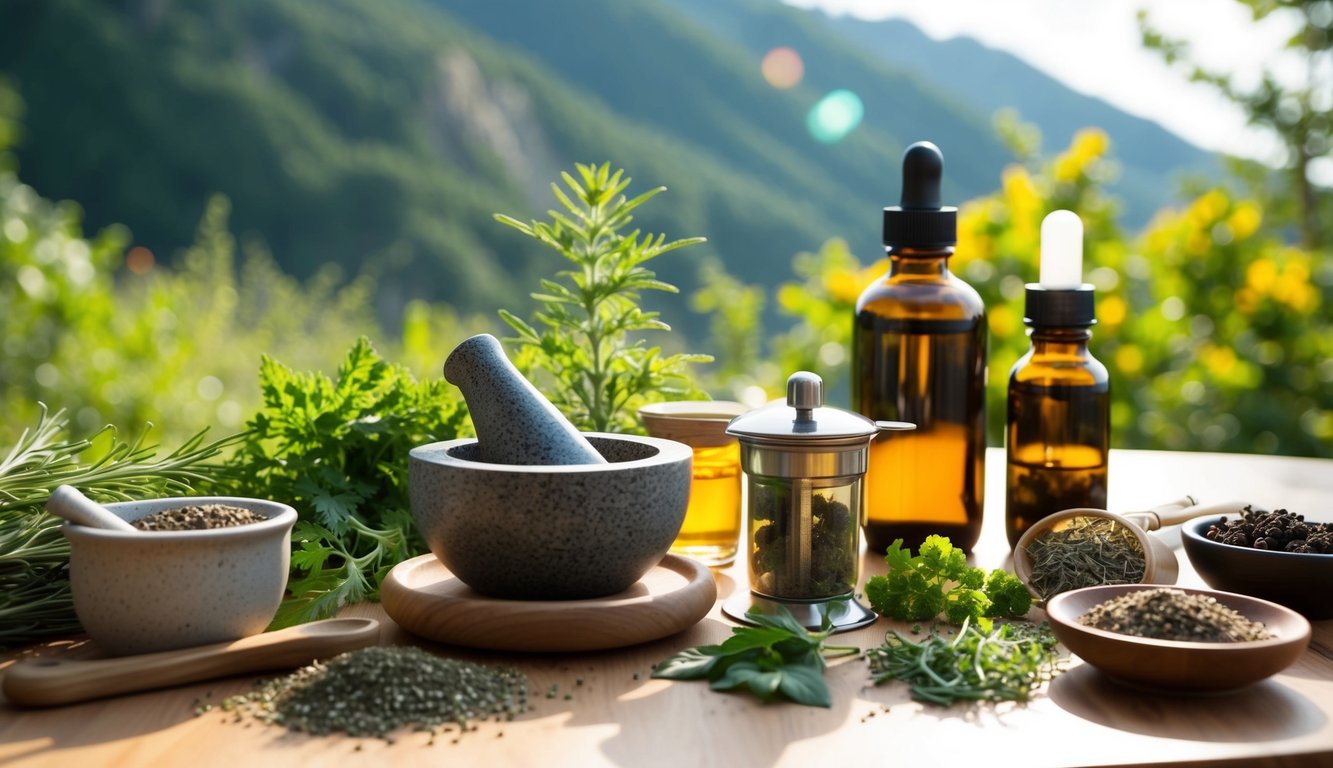
Recovering from substance use involves rebuilding physical health, emotional stability, and everyday routines. After a period of addiction, even basic habits such as eating regularly, sleeping well, managing stress, and staying connected with others can feel difficult. Herbal wellness may offer some people simple ways to make self-care more intentional, but it must be approached carefully. When used safely alongside professional addiction treatment, healthy lifestyle practices can support general well-being and help individuals establish routines that reinforce long-term recovery.
The most important distinction is that herbal wellness is a complementary practice, not a treatment for addiction or a substitute for medical detox. A well-designed recovery plan places qualified clinical care first while considering the person’s physical health, mental health, preferences, and personal values.
Understanding the Effects of Substance Use on Physical and Emotional Health
Substance use can affect several areas of health. Depending on the substance, duration of use, and individual circumstances, a person may experience changes in appetite, sleep patterns, energy, concentration, and emotional regulation. Relationships, work responsibilities, and confidence may also suffer.
Once substance use stops, rebuilding these areas takes time. The body and mind need appropriate care, and individuals may need professional support to address withdrawal symptoms, nutritional concerns, mental health conditions, and the behaviors associated with addiction.
Recovery is not simply about removing substances from daily life. It also involves learning healthier ways to respond to stress, managing cravings, repairing relationships, and creating a stable environment.
What Herbal Wellness Can and Cannot Do in Recovery
Herbal wellness is sometimes included in broader self-care routines. People may enjoy herbal teas, use culinary herbs when preparing meals, or explore relaxation practices that incorporate familiar plants and scents.
These activities can make healthy routines more enjoyable. For example, drinking a caffeine-free herbal tea may become part of a calming evening routine. Preparing meals with fresh herbs can encourage more consistent nutrition. However, these practices should not be presented as methods for eliminating drugs or alcohol from the body.
Herbal Products Are Not a Substitute for Medical Detox
Medical detoxification is a clinical process that addresses withdrawal and related health risks. Herbal cleanses, detox drinks, and supplements have not been proven to safely remove addictive substances or cure substance use disorders.
Withdrawal can be especially dangerous for people who are physically dependent on alcohol or benzodiazepines. Suddenly stopping these substances without medical supervision can cause severe complications, including seizures and potentially life-threatening symptoms.
Anyone planning to stop using alcohol, prescription medication, or another substance should consult a qualified healthcare professional. Medical guidance is essential for determining whether supervised detoxification or another level of care is needed.
Natural Does Not Always Mean Safe
Herbal supplements can contain active ingredients that affect the body. Some may interact with prescription medications, cause side effects, or place additional strain on certain organs. Products marketed for detoxification may also contain stimulants, laxatives, or diuretics that can create health risks.
Before adding an herbal product to a recovery routine, individuals should discuss it with their healthcare provider. This is particularly important for people taking medication for addiction treatment, depression, anxiety, sleep problems, or other health conditions.
Healthy Wellness Habits That Support Addiction Recovery
A sustainable recovery plan focuses on practical habits that can be maintained over time. Herbal wellness may be one small part of this process, but the foundation should include nutrition, sleep, physical activity, emotional support, and professional treatment.
Prioritize Balanced Nutrition
Substance use can disrupt eating patterns and make it difficult to maintain a balanced diet. Some individuals may skip meals, rely on highly processed foods, or experience changes in appetite.
Regular meals that include vegetables, fruits, whole grains, protein, and healthy fats can help support general health. Fresh herbs such as basil, parsley, rosemary, and mint can add flavor to meals without relying on excessive salt or heavy sauces.
For individuals with significant nutritional concerns, a healthcare professional or registered dietitian can recommend an appropriate plan. Restrictive diets and aggressive cleansing programs are not necessary for addiction recovery.
Establish a Consistent Sleep Routine
Sleep difficulties can make recovery more challenging. Poor sleep may affect mood, concentration, stress tolerance, and the ability to manage cravings.
A consistent bedtime, a comfortable sleeping environment, and reduced screen use before bed can help establish healthier patterns. Some people find a caffeine-free herbal tea relaxing as part of their evening routine. However, herbal sleep products should be reviewed with a healthcare provider, especially when medications are involved.
Persistent insomnia or other sleep disturbances should be discussed with a treatment professional rather than managed through unverified supplements.
Include Appropriate Physical Activity
Regular movement can support physical health and emotional well-being. Walking, stretching, swimming, and other activities suited to an individual’s abilities can provide structure and a healthy way to manage stress.
The goal is consistency, not intensity. People recovering from substance use may have different physical limitations, so exercise plans should reflect their health and recovery progress. Even a short daily walk can become a useful starting point.
Use Mindfulness to Manage Stress
Stress is a common challenge during addiction recovery. Difficult emotions, family conflict, financial concerns, and reminders of past substance use can contribute to cravings or increase the risk of relapse.
Mindfulness practices can help individuals recognize these experiences without immediately reacting to them. Journaling, guided breathing, meditation, and quiet reflection may help develop greater awareness of thoughts and emotions.
These techniques are useful additions to recovery, but they do not replace counseling. Therapy can help individuals identify underlying triggers, process difficult experiences, and develop effective coping strategies.
Why Professional Addiction Treatment Remains Essential
Healthy lifestyle changes can support recovery, but professional treatment addresses the medical, psychological, and behavioral aspects of addiction. The appropriate treatment plan depends on a person’s history, substance use patterns, physical condition, mental health, and support system.
Inpatient Care for Structured Support
Inpatient addiction treatment provides a structured environment where individuals can focus on recovery with consistent professional support. This level of care may be suitable for people who need closer supervision, medical services, or distance from situations that contribute to substance use.
Treatment may include individual counseling, group therapy, recovery education, and support for co-occurring mental health concerns. Daily routines can also help individuals begin rebuilding healthy habits in a more stable setting.
Outpatient Care for Continued Treatment
Outpatient treatment allows individuals to receive professional services while continuing to live at home and manage certain personal responsibilities. Depending on the program, care may include scheduled therapy, group sessions, recovery planning, and ongoing assessments.
Outpatient services can be appropriate for people whose clinical needs and living circumstances support this level of care. A qualified professional can help determine whether outpatient treatment is suitable or whether more intensive services are necessary.
Address Mental Health Alongside Substance Use
Addiction and mental health conditions can influence one another. Anxiety, depression, trauma, and chronic stress may contribute to substance use, while substance use can worsen existing emotional difficulties.
Effective treatment should consider both substance use and mental health needs. Counseling and appropriate clinical services can help individuals understand the connection between their experiences and develop healthier responses.
Making Herbal Wellness Part of an Individualized Recovery Plan
There is no single routine that works for everyone. Herbal wellness should be considered in the context of a person’s medical needs, medications, treatment goals, and preferences.
A practical approach includes the following steps:
- Begin with a professional assessment. Discuss substance use history, withdrawal concerns, physical health, and mental health symptoms with a qualified provider.
- Follow recommended treatment. Attend medical appointments, counseling sessions, and other recommended services consistently.
- Review herbal products before use. Provide healthcare professionals with the product name and ingredient list so they can check for possible interactions.
- Choose manageable wellness habits. Focus on regular meals, adequate hydration, consistent sleep, and appropriate physical activity.
- Develop a reliable support network. Maintain contact with trusted friends, family members, recovery groups, and treatment professionals.
- Create a relapse prevention plan. Identify personal triggers and discuss practical ways to respond to cravings and high-stress situations.
For individuals who value faith or spirituality, prayer, spiritual counseling, and participation in a supportive faith community may also provide encouragement and a sense of purpose. These practices can be incorporated according to personal beliefs while remaining connected to professional care.
Building a Healthier Future Through Consistent Support
Restoring balance after substance use is a gradual process. Herbal teas, nutritious meals, mindfulness, and other wellness habits may make daily self-care more meaningful, but they cannot replace medical detox, addiction counseling, or appropriate mental health treatment. Their value comes from supporting a broader recovery plan that puts safety and individual needs first.
If you or someone close to you is struggling with substance use, reaching out to a qualified treatment provider is an important next step. Professional guidance can help identify the right level of care, address co-occurring mental health concerns, and establish realistic goals for recovery.
A healthier future does not depend on finding one product or quick solution. It develops through informed choices, consistent treatment, supportive relationships, and everyday habits that strengthen physical and emotional well-being. With the right professional support and a recovery plan built around individual needs, lasting progress becomes more achievable.
Leave a Reply