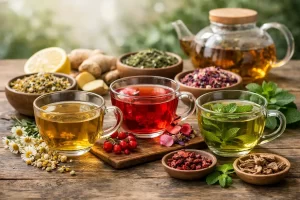
For people recovering from substance use, the desire to feel healthier, regain energy, and restore a sense of balance is understandable. Herbal teas, plant-based supplements, and natural wellness routines may seem like appealing ways to support that process. However, herbal wellness and addiction recovery must be approached with care. While certain everyday wellness habits can complement treatment, herbal cleansing products cannot cure addiction, reliably remove drugs or alcohol from the body, or make withdrawal safe. Understanding the difference between healthy self-care and unproven detox claims can help you make informed decisions about your recovery.
A strong recovery plan addresses more than substance use alone. It considers physical health, emotional well-being, mental health, daily routines, and the support needed to maintain lasting change.
What Does Natural Detox Mean in Addiction Recovery?
The term natural detox is often used to describe herbal cleanses, supplements, teas, and other products marketed to remove unwanted substances from the body. However, these products are not the same as medical detoxification.
Medical detoxification involves managing the physical effects of stopping substance use and addressing withdrawal symptoms when they occur. Depending on the substance and a person’s health, professional monitoring or medication may be necessary.
Understanding the Limits of Herbal Cleansing
The body uses organs such as the liver and kidneys to process substances and eliminate waste. Herbal products marketed as detox solutions have not been shown to replace these natural processes or treat substance use disorders.
Some products may also contain ingredients that cause side effects, interact with medications, or contribute to dehydration and other health concerns.
Instead of relying on a cleansing product, focus on safe habits that support general well-being. Regular meals, adequate hydration, appropriate physical activity, and consistent sleep can help establish a healthier foundation during recovery.
Why Medical Guidance Matters
Withdrawal is not simply a matter of removing toxins. Depending on the substance involved, it can affect the nervous system, sleep, mood, and physical health.
Alcohol and benzodiazepine withdrawal can be life-threatening without appropriate medical care. People who may be physically dependent on these substances should seek professional advice before stopping. Herbal remedies should never be used as a substitute for supervised detox when medical care is needed.
How Herbal Wellness Can Fit Into a Healthy Recovery Plan
Although herbal products are not addiction treatments, certain wellness practices may complement a broader recovery plan when they are appropriate for the individual.
The key is to focus on realistic benefits rather than promises of rapid cleansing or complete healing.
Create Relaxing Daily Rituals
Recovery often requires replacing old routines with healthier activities. For some people, preparing a caffeine-free herbal tea in the evening can become a relaxing ritual that signals the end of the day.
The benefit may come from the routine itself. Taking a few minutes to sit quietly, read, journal, or practice breathing exercises can create space to manage stress without turning to substances.
However, even common herbal products can cause reactions or interact with medication. Speak with a healthcare professional before adding supplements or medicinal herbs to your routine, particularly if you receive addiction or mental health treatment.
Support Better Sleep and Rest
Sleep difficulties can affect concentration, emotional regulation, and the ability to manage cravings. Establishing a regular sleep schedule may help make daily life more predictable.
Consider these practical steps:
- Go to bed and wake up at consistent times.
- Reduce caffeine intake later in the day.
- Keep your bedroom quiet and comfortable.
- Avoid using alcohol or other substances as sleep aids.
- Discuss persistent sleep problems with your healthcare provider.
Be cautious with herbal sleep products. Natural ingredients can still cause sedation or interact with prescribed medication. Professional guidance is especially important if you are recovering from substance dependence.
Four Everyday Habits That Help Support Recovery
Herbal wellness is only one possible part of a healthy lifestyle. In many cases, basic daily habits offer a more practical starting point.
1. Eat Regular, Balanced Meals
Substance use can disrupt appetite and eating patterns. During recovery, consistent meals can help restore structure and support general health.
Include a variety of vegetables, fruits, whole grains, protein, and healthy fats. If you have experienced significant weight changes or nutritional problems, ask a healthcare professional whether additional support would be helpful.
2. Stay Hydrated
Drinking enough water supports normal bodily functions. Keep water available throughout the day and pay attention to your needs, especially during physical activity or hot weather.
Avoid excessive fluid intake or products that promise to flush substances from your system. Neither approach is a safe substitute for medical treatment.
3. Move Your Body at a Comfortable Pace
Walking, stretching, gardening, and other appropriate activities can help establish a healthier routine. Physical activity may also provide structure and an opportunity to spend time away from environments associated with substance use.
Start with manageable goals. You do not need an intense exercise program to begin developing healthier habits.
4. Build Healthy Ways to Manage Stress
Stress, conflict, loneliness, and difficult emotions can contribute to cravings. Learning to respond to these experiences without using substances is an important recovery skill.
Helpful options may include journaling, mindfulness, creative activities, peer support, counseling, or spending time with trusted people. For those who value spirituality, prayer and connection with a faith community may also provide meaning and encouragement.
These practices can complement professional care, but they do not replace treatment for addiction or mental health conditions.
Why Individualized Addiction Treatment Is Essential
There is no universal solution for addiction recovery. Each person’s treatment needs depend on factors such as substance use history, physical health, mental health, living circumstances, and personal goals.
That is why professional guidance is important when considering herbal wellness or making changes to a recovery routine.
Inpatient and Outpatient Treatment Options
Inpatient treatment can provide a structured environment for individuals who need intensive support or closer supervision. Outpatient care may be suitable for people who can safely attend scheduled treatment while managing certain responsibilities at home or work.
A qualified professional can help determine which level of care is appropriate. Choosing herbal products or attempting a natural cleanse should never delay an assessment or necessary treatment.
Addressing Mental Health Alongside Substance Use
Anxiety, depression, trauma, grief, and other mental health concerns can influence substance use and recovery. When these concerns occur together, addressing both substance use and mental health can be an important part of an effective treatment plan.
Depending on individual needs, care may involve counseling, behavioral therapies, medication when appropriate, peer support, and continuing recovery services.
A whole-person approach can also make room for healthy lifestyle practices and personal beliefs. For individuals who value faith, spiritual support may complement clinical care and help reinforce a sense of purpose.
How to Recognize Unsafe Detox Claims
Products marketed for natural detox may promise quick results, but strong advertising claims do not establish safety or effectiveness.
Before purchasing a supplement or cleanse, consider the following questions:
- Does the product claim to cure addiction or prevent withdrawal?
- Does it promise to remove drugs or alcohol from the body rapidly?
- Are its ingredients and potential side effects clearly disclosed?
- Could it interact with your medications?
- Have you discussed it with a qualified healthcare professional?
Be especially cautious of products that encourage you to avoid medical treatment. If a detox product promises a quick solution to a complex health concern, seek reliable professional advice before using it.
Take a Safer Step Toward Addiction Recovery
Herbal wellness may complement addiction recovery when used responsibly, but it should never replace medical detox, professional treatment, or mental health support. Healthy routines, balanced nutrition, appropriate exercise, better sleep, and effective stress management can help support general well-being as you work toward lasting change.
If you are considering treatment for yourself or someone you love, start by speaking with a qualified healthcare or addiction treatment professional. Ask about the safest next steps, available treatment settings, and ways to address physical and emotional health together.
Recovery does not depend on finding a perfect cleanse or a single natural remedy. It begins with informed decisions, appropriate support, and manageable steps toward a healthier life. With an individualized plan and consistent care, you can build routines that support your well-being and strengthen your progress over time.
Leave a Reply